

september 15, 2026
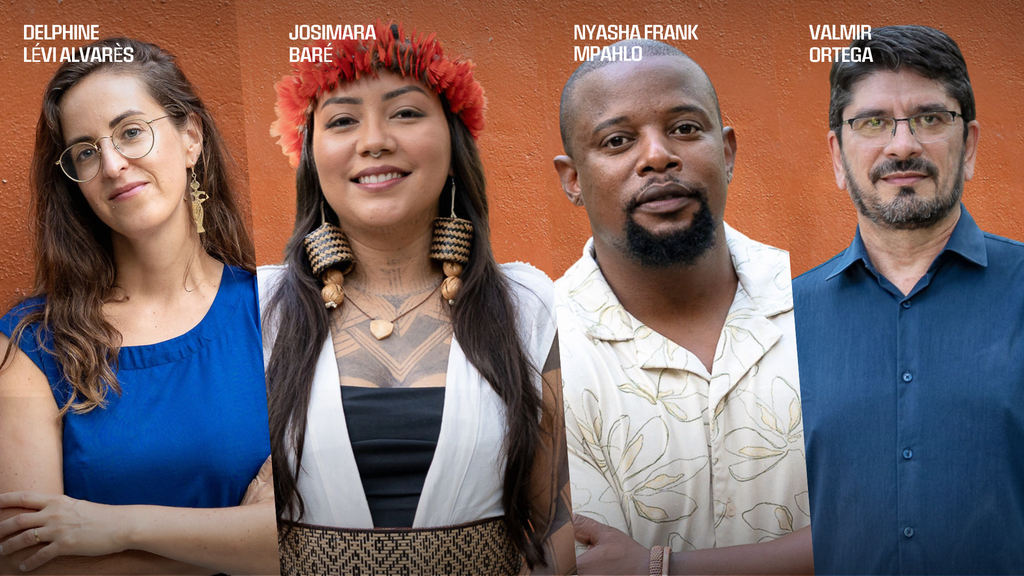
We’re excited to announce the 2026 cohort of the Climate Breakthrough Award program: Delphine Lévi Alvarès, Josimara Baré, Nyasha Frank Mpahlo, and Valmir Ortega. These four visionary strategists are embarking on their boldest new initiatives to create breakthroughs in systems critical to resolving the climate crisis.
They will pursue breakthroughs in petrochemicals, Indigenous climate finance, energy innovation in Africa, and regenerative agriculture, respectively—building new pathways where transformative potential remains untapped, underfunded, or constrained by existing approaches. Climate Breakthrough provides them with the space, flexibility, and resources to develop, launch, and expand their new initiatives, including a $4 million multiyear funding package for each—the largest climate award for individuals.
“The work of our Awardees shows that the biggest barrier to climate innovation today is not a lack of leadership or ideas; it’s doubt,” said Savanna Ferguson, Executive Director of Climate Breakthrough, in a press release. “The skepticism that these innovations can deliver real-world impact is what stops many from backing the bold, when that backing alone can make the implausible the probable. We need a portfolio of audacity.”
The new cohort joins a global community of strategists who have built new initiatives through the program. Among others are Mohamed Adow (Power Shift Africa), Tzeporah Berman (the Fossil Fuel Non-Proliferation Treaty), Alex Doukas (the Polluter Pays Project), John Hepburn (Insure Our Future), Sebastián Kind (RELP), and Nicole Rycroft (Canopy’s Next-Gen Solutions).
Delphine Lévi Alvarès
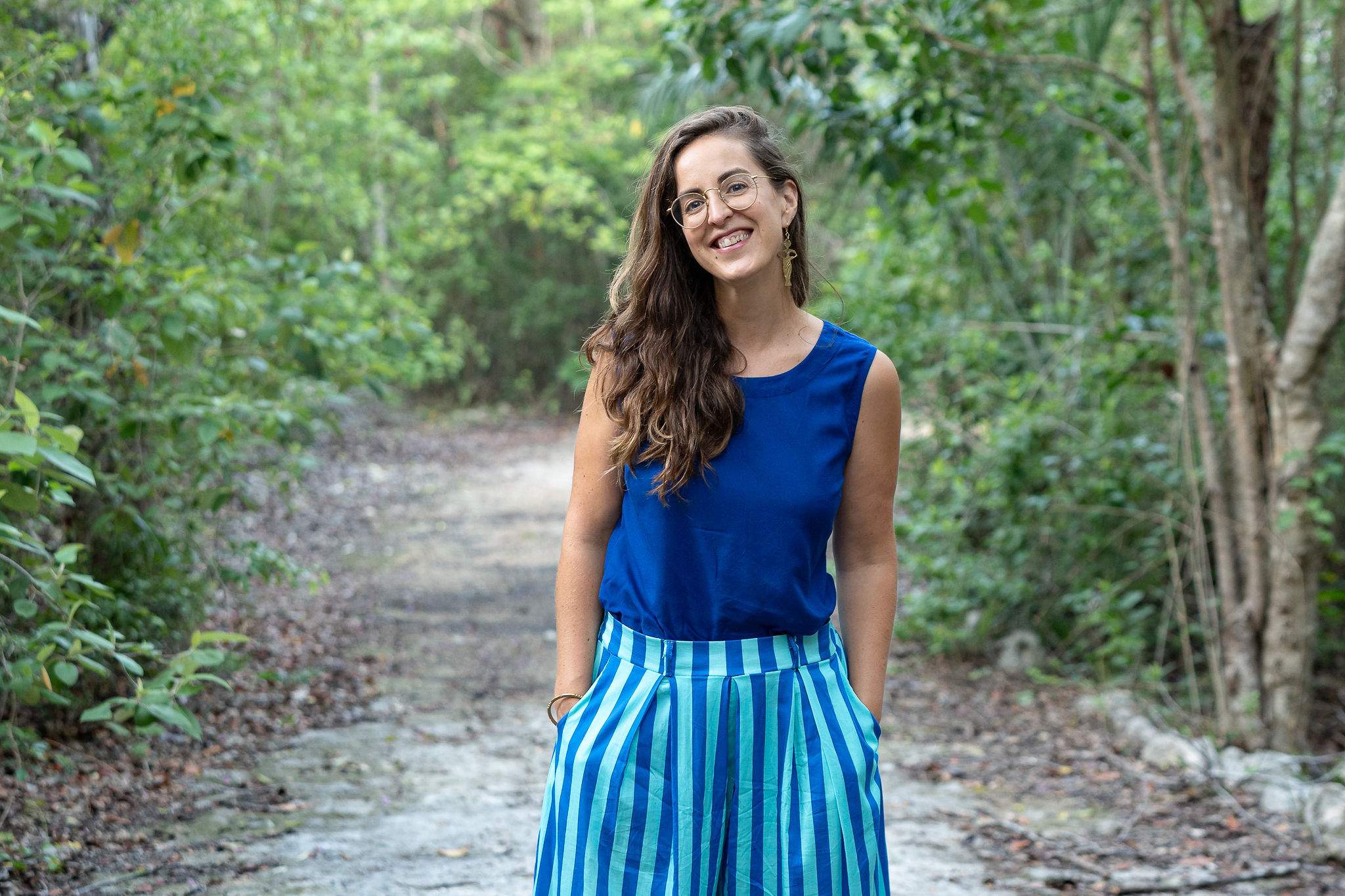
Through the Climate Breakthrough Award program, Delphine (based in France) will build the first coordinated global effort to reduce the world’s dependence on petrochemicals—the plastics, fertilizers, pesticides, and synthetic materials made from oil and gas—and make alternatives imaginable, practical, and scalable.
The challenge is immense. Petrochemicals already account for 14 percent of global oil consumption, 8 percent of natural gas, and 10 percent of global greenhouse gas emissions. As demand for fossil fuels declines elsewhere, Delphine calls petrochemicals “the lifeline for the industry’s financiers,” a sector that could drive up to half of oil demand growth by mid-century.
Josimara Baré

Through the Climate Breakthrough Award program, Josimara (based in Brazil) will transform the way climate finance reaches Indigenous Peoples and traditional communities so that those protecting the world’s most important ecosystems can receive funding directly and direct resources on their own terms and according to their own priorities.
Indigenous Peoples and traditional communities steward more than one-third of the world’s remaining intact forests, protecting them from deforestation, reducing wildfire risk, and helping stop illegal mining and logging. Yet less than 5 percent of multilateral climate funding reaches them directly. Josimara argues that the problem is structural: the rules, timelines, and reporting requirements that govern climate funding often fail to reflect Indigenous governance and structures, and bureaucracy blunts the impact of what little arrives.
Nyasha Frank Mpahlo
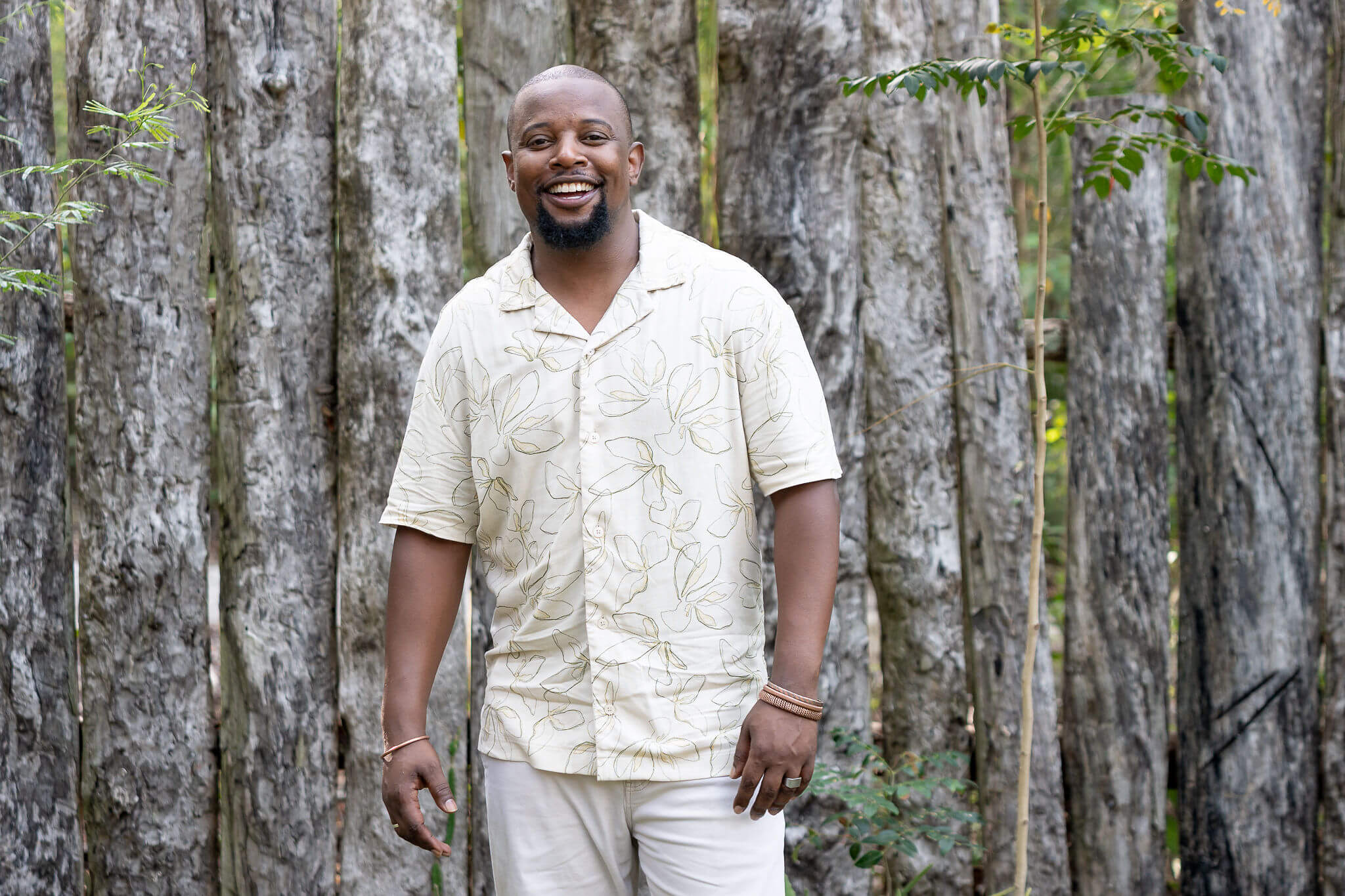
Through the Climate Breakthrough Award program, Nyasha (based in Zimbabwe) will build the ecosystem needed to connect African innovators across the continent and help locally led energy solutions grow from promising pilots into systems capable of transforming communities.
Around 600 million people in Africa still lack access to electricity, and roughly a billion people still cook with polluting fuels. The continent also holds a significant share of the minerals the global energy transition depends on, and more than 350 million young people will enter its workforce over the next decade. How Africa builds this transition will shape not only the jobs it creates but also how the rest of the world gets there too.
Valmir Ortega
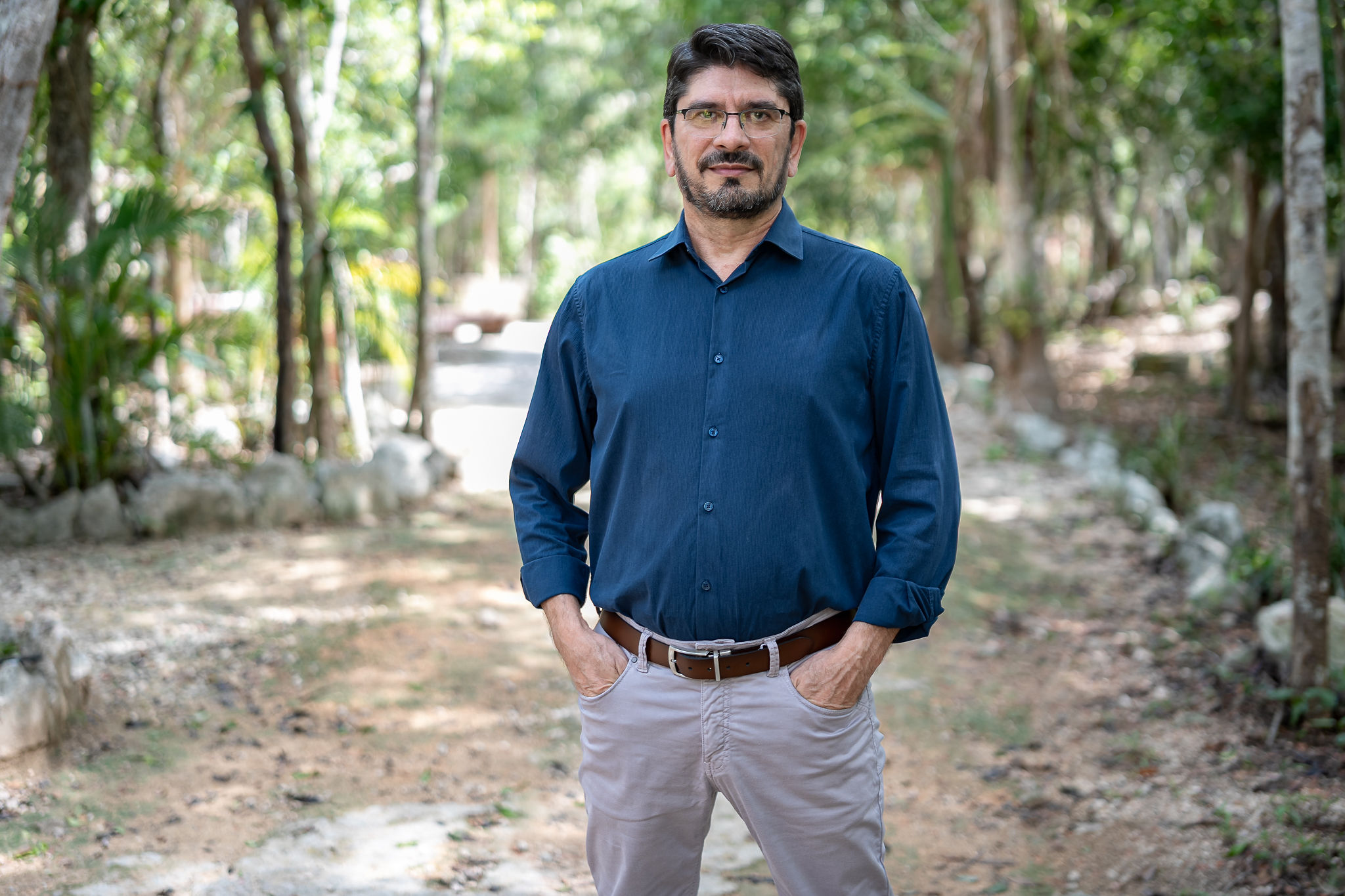
Through the Climate Breakthrough Award program, Valmir (based in Brazil) will build the financial and operational infrastructure needed to make regenerative agriculture the most viable and profitable path for tropical farming landscapes.
Tropical forests store more than half of the world’s above-ground carbon, yet 95 percent of forest loss now happens in the tropics. Evidence suggests these ecosystems are approaching a tipping point, where they shift from absorbing carbon to releasing it. Land use and agriculture account for roughly 75 percent of Brazil’s emissions, while food systems contribute approximately one-third of global emissions.
A New World
For the past decade, we have pursued a single mission to catalyze transformational, not incremental, climate action that can swiftly and justly close the gap between the world today and a sustainable future. The Climate Breakthrough Award program identifies and backs visionary strategists to develop, launch, and expand ideas with the potential to reduce global annual emissions by hundreds of millions of tons, affect entire industries or regions of the world, and materially change the lives of millions of people.
With the new cohort, we have now provided or committed multimillion-dollar funding to 30 individuals and two teams of Awardees. Initiatives that began as early-stage ideas are now shaping how the world tackles the climate crisis—accelerating clean energy adoption, rewriting international policy, and breaking down the economic and cultural barriers that have stalled progress for decades.
If every Awardee achieves the emissions-reduction goals they have set, their work collectively could cut global annual greenhouse gas emissions by more than 6.4 gigatons by 2030 (more than twice the annual emissions of the European Union). Since the first cohort in 2016, those Awardees have collectively secured more than $640 million in follow-on philanthropic support from over 137 funders, along with more than $1 billion through ventures, trusts, and funds outside philanthropy.